
Building a Talent Strong Texas: What the 60x30TX Plan Means for Students with Disabilities
In 2015, the Texas Higher Education Coordinating Board (THECB) introduced the 60x30TX Plan, a bold vision to ensure 60% of Texans ages 25–34 would hold a certificate or degree by 2030.
Fast-forward to 2025, and the plan has evolved into “Building a Talent Strong Texas.” This updated strategy expands the focus beyond young adults, aiming for all working-age Texans (25–64) to earn “credentials of value”, degrees or certificates that lead to meaningful careers, without crushing student debt.
This shift is about more than statistics. It’s about preparing every Texan for success in a rapidly changing economy. And that includes one often overlooked group: students with disabilities.
The Legal Landscape: Students with Disabilities in Higher Education
Under federal law, students with disabilities are guaranteed equal access in postsecondary programs through:
The Americans with Disabilities Act (ADA)
Section 504 of the Rehabilitation Act
Unlike K-12, where schools are required to create and follow IEPs or 504 Plans, colleges and universities place the responsibility on the student. That means:
Students must self-identify with their institution’s disability services office.
They must request accommodations (they are not automatically provided).
Institutions must provide reasonable accommodations (such as assistive technology, note-taking support, interpreters, or alternative testing).
In Texas, new laws are shining a spotlight on this issue:
SB 769 (2025) requires THECB to study enrollment, barriers, and accommodations for students with disabilities in higher education, with a full report due in 2027.
SB 2 (2025) expands Education Savings Accounts (ESAs), offering higher funding levels (up to ~$30,000/year) for students with disabilities, increasing opportunities for private or specialized programs.
These policies signal a growing recognition: students with disabilities are vital to achieving Texas’s higher education and workforce goals.

Barriers & Best Practices
Many students with disabilities begin their journey at community colleges, which often have fewer resources. Research shows that students who access disability services are far more likely to complete a certificate, degree, or transfer to a university. Yet too many don’t know how — or don’t feel supported enough — to ask for accommodations.
To close these gaps, institutions must embrace best practices:
Proactive Communication – Make sure students understand their rights and how to request support.Self-Advocacy Training – Prepare high school students with disabilities to advocate for themselves in college.Universal Design for Learning (UDL) – Build accessible classrooms from the start, with multiple ways for students to engage and demonstrate learning.Dedicated Disability Services – Invest in staff and technology that can support students effectively.Cross-System Collaboration – Strengthen partnerships between K-12 schools, higher education, and workforce programs to ensure smoother transitions.
Why Inclusion Matters
Texas is one of the world’s largest economies, and jobs increasingly demand higher education. Ignoring students with disabilities in the state’s attainment goals would mean:
Lost potential – talented students unable to reach their career goals.
Workforce gaps – employers missing out on skilled workers.
Equity issues – vulnerable populations left behind.
When institutions actively include students with disabilities, everyone wins: higher graduation rates, stronger communities, and a more competitive workforce.
Ahava Learning, LLC: Partnering for Student Success
At Ahava Learning, we believe every student deserves the chance to succeed, no exceptions. We work alongside families, schools, and institutions to:
Equip students with self-advocacy and transition skills.
Train educators and faculty on ADA/504 compliance and inclusive teaching practices.
Support schools in aligning with Texas’s “Building a Talent Strong Texas” goals while meeting the needs of diverse learners.

Call to Action
Texas can’t meet its higher education goals without students with disabilities at the table. If you’re a parent, educator, or administrator ready to:
Strengthen transition planning,
Improve faculty training, or
Ensure compliance with new state and federal requirements —
Contact Ahava Learning, LLC today to learn how we can help your school or program prepare every student for success.
Together, let’s build a truly Talent Strong Texas.
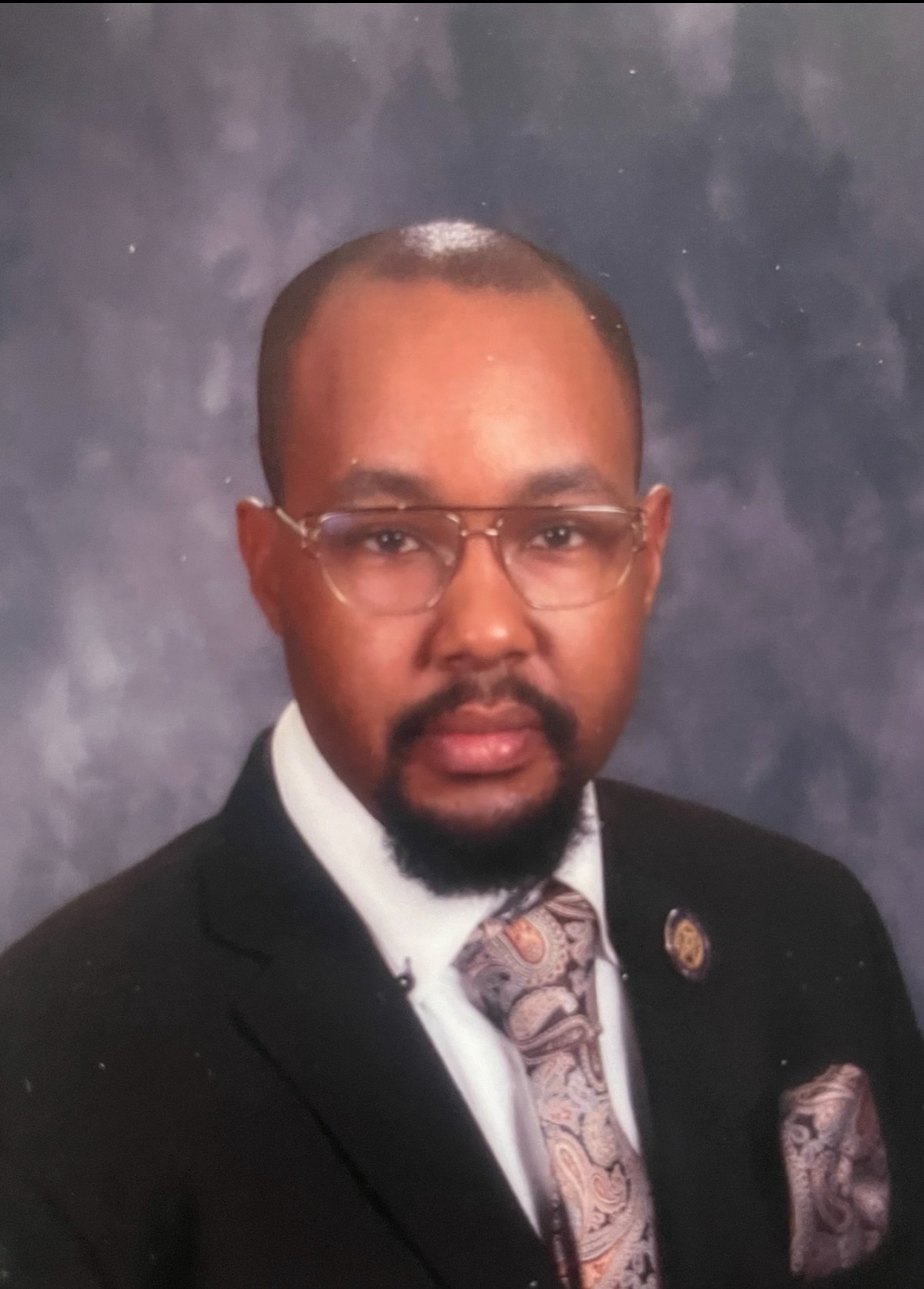
Dr. Jeremiah Taylor brings extensive and diverse experience in education, especially in settings that involve both secondary and post‐secondary education, including special education.


Comments